
Analyzing Intra-ASEAN Trade Flows and Patterns
Understanding the intricate trade relationships, dominant sectors, and Malaysia’s strategic position within the ASEAN Economic Community framework
Why ASEAN Trade Matters for Regional Growth
The ASEAN Economic Community isn’t just policy on paper. It’s real goods moving across borders, real companies building supply chains, and real opportunities for economies to grow together. We’re talking about over $2.8 trillion in regional merchandise trade annually.
What makes this interesting isn’t just the scale. It’s how trade patterns have shifted. Ten years ago, manufacturing was concentrated in a handful of countries. Today? Production networks span across multiple member states, with components moving back and forth before finished goods reach markets. That’s the trade integration story you need to understand.
Malaysia sits right in the middle of this. Whether you’re looking at electronics manufacturing, petrochemicals, or agricultural products, Malaysia’s positioned as both a major exporter and a critical link in regional supply chains. Understanding how these flows work gives you insight into where the region’s headed.
The Sectors That Drive ASEAN Commerce
Where the biggest trade volumes happen and why these sectors matter
Electronics & Semiconductors
The backbone of intra-ASEAN trade. Components manufactured in Vietnam get assembled in Thailand, tested in Malaysia, and shipped globally. Integrated circuits alone account for roughly 12-15% of total regional trade. This sector’s interdependent—you can’t separate suppliers from manufacturers here.
Energy & Petrochemicals
Indonesia’s crude oil feeds refineries across the region. Malaysia’s petrochemical plants transform that crude into specialty chemicals sold back throughout ASEAN. These products power everything else—plastics for packaging, chemicals for manufacturing. It’s foundational trade.
Agricultural Products
Palm oil, rubber, rice, seafood. These aren’t just exports to the world—they’re traded extensively within ASEAN itself. Thailand processes cassava into starch for food manufacturers across the region. Philippines exports seafood to Singapore’s restaurants and hotels. Agriculture’s about 8-10% of intra-ASEAN trade.
Machinery & Equipment
Industrial machinery, electrical equipment, industrial motors. These support manufacturing across ASEAN. You’ll see Singapore exporting precision equipment to Malaysia, which then uses it to manufacture components for Vietnam’s factories. It’s a support ecosystem that keeps production humming.
Textiles & Apparel
Yarn produced in Indonesia gets woven in Vietnam, cut and sewn in Cambodia, then finished in Thailand. A single garment can cross four borders before reaching global markets. This fragmented production model is quintessential ASEAN integration—it works because tariffs are low and logistics are coordinated.
Food & Beverages
Processed foods, beverages, spices, and ingredients flow constantly between member states. Malaysia imports cassava from Thailand, processes it into food ingredients, and sells back throughout the region. Growing middle classes mean more processed food demand, driving this trade upward year after year.
Bilateral Trade Relationships That Shape the Region
When you look at intra-ASEAN trade, you can’t just look at aggregate numbers. The real story is in the bilateral relationships. Some countries trade heavily with each other, while others have thinner connections. These relationships aren’t random—they’re shaped by geography, infrastructure, historical ties, and comparative advantage.
Indonesia-Malaysia is one of the biggest bilateral pairs. Both are energy exporters, both have manufacturing capacity, and they’re geographically close. Malaysia imports significant amounts of oil and palm oil products from Indonesia. Meanwhile, Malaysia exports refined petroleum products and electrical equipment back. It’s complementary trade—each country brings what the other needs.
Thailand-Vietnam is another critical corridor. Vietnam’s grown its manufacturing capacity dramatically over the past decade. Thailand, with more mature infrastructure and established supply chains, imports Vietnamese components and adds value through assembly and processing. This relationship shows how newer manufacturing hubs integrate into existing networks.
Singapore’s role is different. As the region’s financial and logistics hub, Singapore doesn’t rely on heavy manufacturing trade. Instead, it specializes in refining, petrochemicals, and re-export. Most of what Singapore imports gets processed, re-packaged, or re-exported to other ASEAN members or the world. It’s a value-added intermediary role that’s become central to how regional trade functions.


Malaysia’s Strategic Position in Regional Trade
Malaysia isn’t just a player in ASEAN trade—it’s a connector. Geographically positioned between the major population centers of Indonesia and Thailand, with direct access to shipping lanes between the Indian Ocean and the South China Sea, Malaysia’s become an essential node in regional supply chains.
The country’s strength lies in sectors where it’s already developed deep expertise. Electronics manufacturing is obvious—Malaysia’s been a semiconductor assembly and testing hub for decades. But it’s also strong in petrochemicals (Petronas is one of Asia’s largest energy companies), palm oil processing, and increasingly, electrical and electronics components manufacturing for renewable energy applications.
Within ASEAN, Malaysia’s main export partners are Singapore (which buys refined petroleum and chemicals), Indonesia (which buys electrical equipment and machinery), and Thailand (which imports Malaysian-made semiconductors and electronics). These three relationships account for roughly 45-50% of Malaysia’s intra-ASEAN exports. The flows are two-way—Malaysia also imports raw materials, components, and agricultural products from across the region.
What’s changing is the composition of trade. Manufacturing is shifting toward higher-value products. Electronics assembly is moving up the value chain toward more complex semiconductors. Petrochemicals are moving toward specialty products. This isn’t coincidental—it’s deliberate strategy. Malaysia’s positioning itself to capture more value from regional trade flows, not just move volume.
Cross-Border Supply Chains: How They Actually Work
The reality of integrated production networks in Southeast Asia
Raw Materials & Inputs
Everything starts with raw materials. Indonesia supplies crude oil, natural gas, and minerals. Thailand produces cassava, rubber, and agricultural products. Philippines exports coconut and tropical fruits. These raw materials flow to processing centers—refineries in Malaysia and Singapore, mills in Thailand, chemical plants across the region.
Component Manufacturing
Processed inputs become components. Vietnamese factories manufacture semiconductor wafers. Malaysian plants produce electronics components. Thai factories create automotive parts. These components don’t go directly to consumers—they move to assembly hubs. Tariff rates under the ASEAN Free Trade Area (AFTA) are low enough (mostly under 5%) that this cross-border movement is economically viable at scale.
Assembly & Value Addition
Components come together in assembly plants. Vietnam’s become the primary assembly hub for electronics—smartphones, laptops, consumer electronics. Thailand handles automotive assembly. Malaysia focuses on semiconductor testing and final assembly for semiconductors. Each country brings labor cost advantages and specialized expertise. Assembly facilities employ hundreds of thousands of workers and handle millions of units annually.
Quality Control & Finishing
Testing and quality control happen next. Electronics get tested in Singapore and Malaysia—sophisticated facilities with specialized equipment verify that products meet standards. Finished goods get packaged, labeled, and prepared for export. This finishing stage often happens in the country where final assembly occurred, but sometimes products move again for specialized finishing or re-export coordination.
Distribution & Export
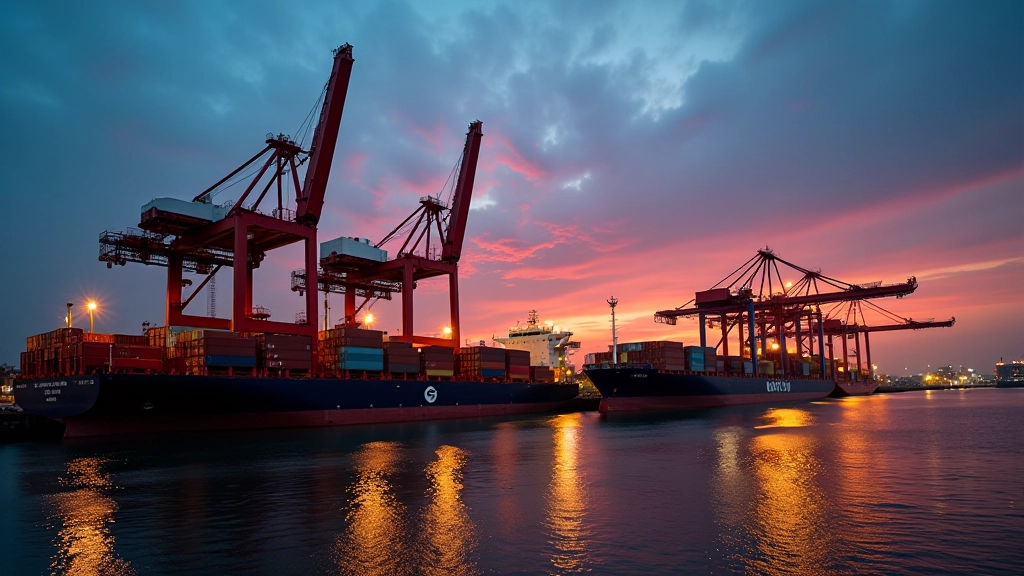
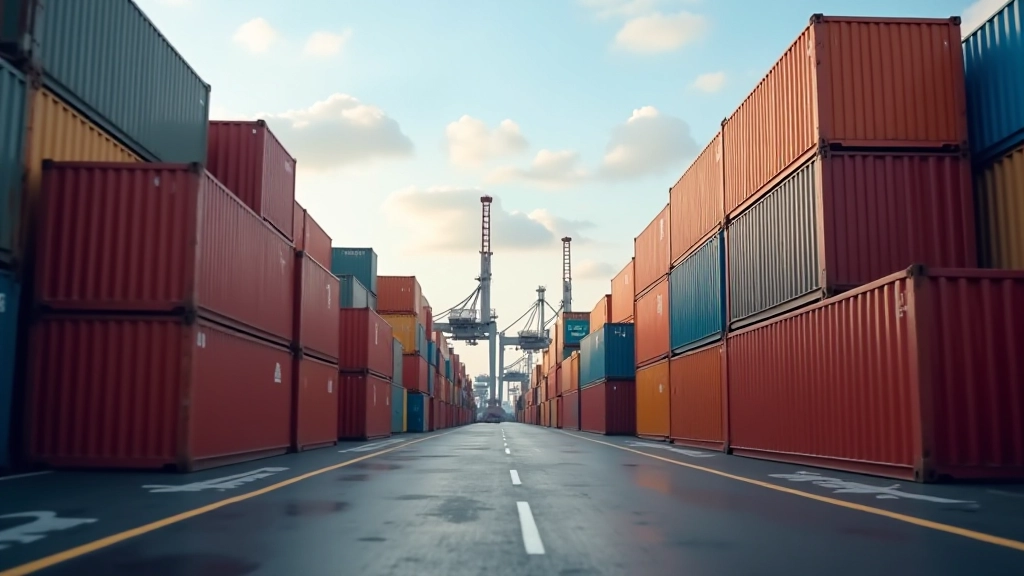
From assembly, products move to distribution hubs. Singapore’s ports handle roughly 30 million TEUs (twenty-foot equivalent units) of containers annually—a massive share of Southeast Asian container traffic. Malaysia’s ports (Port Klang is the largest) handle container ships heading to Europe, the Middle East, and other regions. Products destined for other ASEAN markets sometimes stay within the region, while export-oriented goods ship globally.
The Real Challenges Facing Integrated Trade
ASEAN integration sounds smooth in theory. In practice, there’s friction. Rules of origin are complicated—to qualify for AFTA tariff benefits, products need to meet specific criteria about local content. That’s not just bureaucracy—it shapes where manufacturers decide to locate production and which suppliers they use.
Infrastructure gaps create bottlenecks. Not all ASEAN ports are equally efficient. Not all highways connect seamlessly across borders. When a container needs 3 days instead of 2 to cross from Malaysia to Thailand, that adds cost. These logistics inefficiencies are slowly improving, but they’re still real constraints on trade flows.
Non-tariff barriers complicate everything. Product standards vary between countries. Regulatory approval processes aren’t harmonized. A pharmaceutical or food product approved in one ASEAN member might require re-testing in another. These barriers aren’t intentional trade restrictions—they’re legitimate regulatory requirements—but they still increase costs and slow commerce.
Currency volatility affects pricing and competitiveness. When the Indonesian rupiah weakens against the Malaysian ringgit, Indonesian exports become cheaper, affecting bilateral trade patterns. Exchange rate movements create uncertainty for manufacturers planning cross-border production networks.
Iskandar Malaysia: A Regional Trade Catalyst
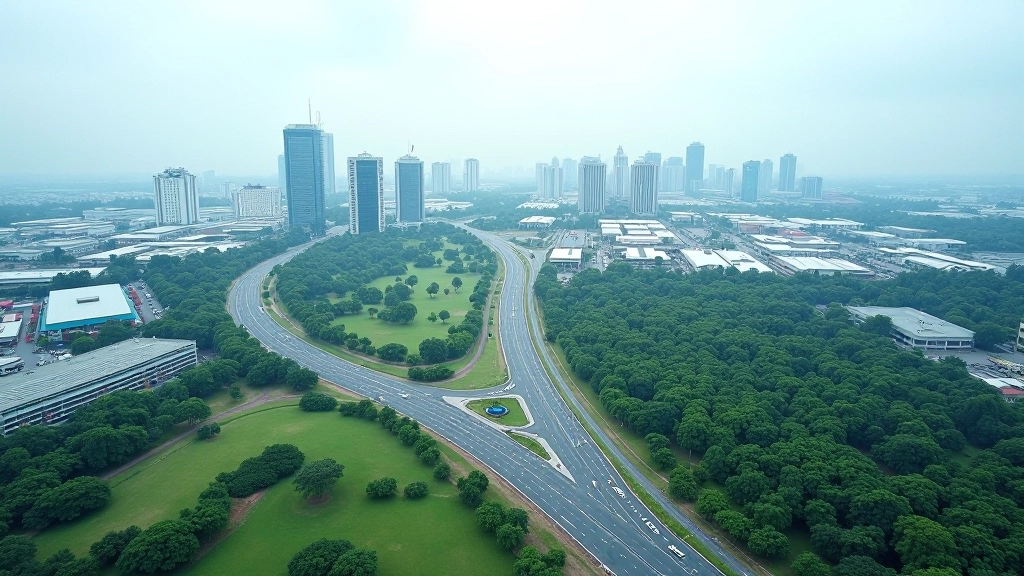
Iskandar Malaysia represents Malaysia’s deliberate strategy to position itself as a premium hub within regional trade networks. Located in Johor, just across from Singapore, Iskandar Malaysia isn’t just a special economic zone—it’s an integrated development region spanning manufacturing, logistics, finance, and technology sectors.
The strategic value is obvious. Proximity to Singapore gives Iskandar access to one of Asia’s most sophisticated financial and logistics hubs. Access to Malaysian labor and land costs keeps operations more affordable than Singapore. The location provides a natural gateway between Malaysia’s interior manufacturing base and global shipping routes. Companies get Singapore’s infrastructure and expertise with Malaysia’s cost advantages.
Within ASEAN trade, Iskandar’s becoming important as a consolidation and re-export point. Manufacturers across the region can warehouse products there, consolidate shipments, and access regional distribution. It’s also attracting regional headquarters for companies wanting a Southeast Asian base that’s close to Singapore but more affordable for operational scale.
The corridor’s designed to facilitate smoother trade. Better port facilities at Port Iskandar, improved road connections to Thailand and Brunei, planned rail links to Singapore—these aren’t just infrastructure projects. They’re reducing friction in supply chains, making it more attractive for companies to route trade through the region rather than around it.
Where Intra-ASEAN Trade Is Headed
Emerging trends reshaping regional commerce
Green Trade & Sustainability
ASEAN’s pushing toward cleaner manufacturing. That means trade patterns are shifting. Companies are re-evaluating supply chains for environmental impact. Malaysia’s petrochemical industry is investing in green chemistry. Thai factories are adopting cleaner production. These shifts take time—you’re not seeing dramatic changes overnight—but they’re reshaping which products move across borders and how.
Digital Trade & E-Commerce
Traditional goods trade isn’t declining, but digital trade is growing faster. Digital services, online retail, cloud services—these are increasingly part of ASEAN commerce. Companies across the region are buying software, digital marketing services, and cloud infrastructure from within ASEAN. This represents a new category of trade that traditional statistics don’t fully capture.
Semiconductor Resilience
Global chip supply chain disruptions have highlighted semiconductor trade’s importance. ASEAN’s role in semiconductors—manufacturing, testing, assembly—is becoming more strategic. Malaysia and other ASEAN members are investing in advanced semiconductor facilities. This isn’t replacing external supply chains; it’s making ASEAN more resilient and capturing more value from chip production.
Supply Chain Diversification
Companies aren’t just moving production within ASEAN—they’re intentionally diversifying across multiple countries. Instead of concentrating in Vietnam, production spreads across Vietnam, Thailand, and Indonesia. This redundancy makes supply chains more resilient to disruptions. It also means smaller countries are getting opportunities to participate in trade flows that previously bypassed them.
The Takeaway: Why This Matters
ASEAN trade isn’t abstract economics. It’s real supply chains connecting millions of workers, moving trillions of dollars in goods annually, and reshaping how global manufacturing works. Understanding these flows helps you see where the region’s headed economically.
Malaysia’s position is strategic. It’s both a major trader and a connector between other members. The sectors it dominates—electronics, petrochemicals, palm oil processing—are exactly the sectors driving regional growth. Initiatives like Iskandar Malaysia show deliberate strategy to capture more value from regional trade.
What’s remarkable is how integrated these economies have become. A decade ago, ASEAN trade was mostly countries selling finished goods to external markets. Today? Production is fragmented across borders. Raw materials become components in one country, get assembled in another, tested in a third, and exported from a fourth. That’s genuine integration.
This matters because it means ASEAN’s fate is increasingly interconnected. When trade flows smoothly, all members benefit. When disruptions happen—whether supply chain shocks, infrastructure gaps, or regulatory friction—they ripple across the region. Understanding these flows gives you insight into how Southeast Asia’s economy actually functions and where it’s headed.
Disclaimer
This article provides informational and educational content about ASEAN trade flows and patterns. The information presented is based on publicly available data, economic reports, and regional trade statistics current as of February 2026. Trade data and patterns evolve continuously, and specific figures may vary depending on the source and methodology used. This content is intended to help readers understand regional economic structures and trade relationships, not to provide investment advice, trade guidance, or specific commercial recommendations. For detailed trade analysis, current statistics, or decisions affecting your business, consult official sources such as ASEAN Secretariat publications, national trade ministries, or specialized trade analysts. Trade policies, tariff rates, and bilateral relationships change frequently—verify current conditions before making business decisions based on information presented here.


